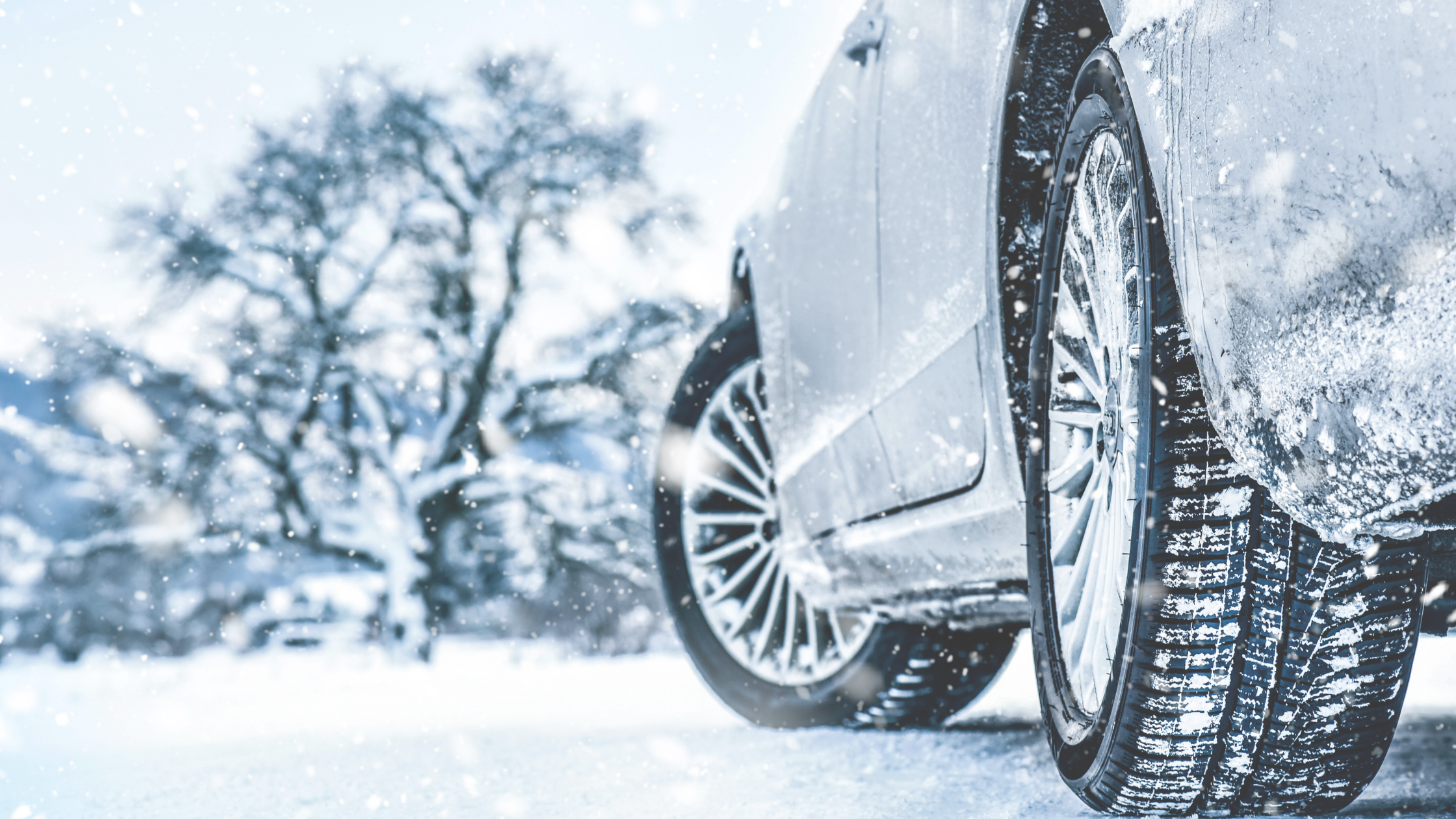
Driving through Hokkaido’s pristine white snow landscapes is truly exhilarating. However, for those driving on snow-covered roads for the first time, it can be a bit nerve-wracking. In this guide, we’ll share plenty of practical tips for safely navigating Hokkaido’s winter roads!
Pre-Departure Preparation is Key!
Vehicle Selection Points
For snow driving, the combination of studded tires and four-wheel drive (4WD) is unbeatable! Studded tires are essential for snowy and icy roads. With 4WD, you get better grip than 2WD, allowing you to drive confidently on bumpy snow-covered roads. The added benefit of reduced slipping on slopes is also welcome.
Watch out for dead batteries in winter. Cold-weather specification vehicles have more powerful batteries and heating systems, providing peace of mind. If you rent a car in Hokkaido, they’ll automatically provide you with a Hokkaido-spec vehicle.
Winter Essentials to Keep in Your Car
For emergencies, keep these items in your car at all times:
- Snow brush (for snow removal)
- Shovel
- Snow helper (for getting unstuck)
- Booster cables
- Tow rope
- Warm clothing
- Blankets
With these items, you’ll be prepared for unexpected troubles.
Don’t Skip the Snow Removal Before Departure!
Waking up to find your car buried in snow is a common sight in Hokkaido. Especially in heavy snowfall areas like Niseko, your car can be completely buried overnight!
Proper Snow Removal Steps
- First, clear snow around the doors Brush off snow around the car doors and start the engine.
- Use the heater to melt ice Point the vents toward the windows and turn on the heat. This will help melt the frozen windshield ice, making snow removal easier.
- Pay special attention to roof snow Use a snow brush to remove snow. It’s particularly important to thoroughly remove roof snow! If left on, it can slide onto the windshield when going downhill or braking suddenly, potentially damaging wipers or causing accidents.
- Clear snow around the vehicle thoroughly For low-clearance vehicles, you need to carefully remove snow or the car won’t be able to get out. You often see high-clearance vehicles like Land Cruisers, Delicas, and Subarus in Niseko partly because they can handle some snow without getting stuck.
- Keep wipers upright When parking, keep wipers raised to prevent ice damage to the wipers!
Understanding Hokkaido’s Snowy Roads
Make Road Signs Your Ally
When snow piles up, road lanes become invisible, and it’s impossible to tell where the boundaries are. That’s when road signs become your friends.
Arrow Signs with Poles Poles with arrows standing on both sides of the road. The area below the arrow marks the edge of the road. These are crucial markers when you can’t see the road width due to snow.
Snow Poles Red and white poles also indicate the edge of the road. These signs are like lifelines when driving on snow-covered roads.
Stop Lines They show you where to stop when stop lines are buried in snow.
Curve Arrows They indicate which way the road curves, so you can navigate safely even when the road is invisible under snow.
Basic Snow Driving Techniques
Forget Your Summer Driving Habits
Frozen road surfaces are approximately 10 times more slippery than summer dry roads! Keep in mind that they’re much more slippery than you might imagine.
- Approaches to intersections, crosswalks, and railroad crossings
- Roads with heavy traffic congestion
- Bridges on cold days
- Road surfaces in the shadows of trees and buildings
These locations are particularly slippery and require extra caution when driving.
Keep Distance 3+ Times Greater Than Summer!
When driving on winter roads, maintaining following distance is even more crucial than on dry roads. To calmly respond to oncoming vehicles drifting into your lane or vehicles ahead spinning out, always practice “early, gradual deceleration” and maintain a safe following distance.
Following distance should be more than 3 times what you’d keep in summer. Don’t forget that braking distance is much longer than in summer!
Avoid All Sudden Movements! “DON’T do anything SUDDEN”
Making sudden maneuvers on icy roads can cause your car to slide or spin like in an action movie… it’s heart-stopping!
Absolutely avoid:
- Sudden braking
- Sudden acceleration
- Sudden steering
For beginners, we recommend testing how much the car slides and how well brakes work in an area without other vehicles.
Braking Technique Tips
Early Braking and Engine Braking Early braking combined with engine braking for sufficient deceleration helps prevent traffic accidents.
Soft Braking When pressing the accelerator or brake, do so gently and gradually – that’s the key to safe driving. Press the brake softly, stopping the vehicle without locking the tires.
On long downhill slopes, using gears for deceleration is safer than using brakes.
About ABS (Anti-lock Braking System) In emergencies when you press the brake hard and ABS activates, keep pressing the brake even if the pedal vibrates, operate the steering wheel, and maintain firm control of the vehicle.
Hokkaido driving schools teach that slamming on the brakes when the car starts sliding is counterproductive. The best approach is not to speed in the first place.
Dealing with Poor Visibility
Turn on Lights Even During Daytime in Snow
Winter in Hokkaido can bring snowfall so heavy that visibility becomes severely limited. In such conditions, turning on your lights even during the day makes it easier for oncoming traffic to spot you, reducing the risk of collisions.
Additionally, with Hokkaido’s dry, light snow, even on clear days, ground blizzards can occur where snow accumulated on the roadside gets swept up by wind, turning visibility completely white.
Maximize Concentration in Poor Visibility
When visibility is poor, keep your eyes on the road and concentrate on driving. Just a moment of looking away can result in dramatically changed road conditions.
What to Do in a White-out
What is a White-out?
It’s a terrifying phenomenon where blizzards or ground blizzards turn visibility completely white, making it impossible to see ahead, behind, or to the sides. It’s one of Hokkaido’s unique winter dangers.
The Basic Rule: “Don’t Go Outside in Bad Weather”
The safest approach when white-out conditions are expected in bad weather is to avoid going out at all.
If You Get Caught in a White-out
Absolutely follow these rules:
- Don’t leave your car (DON’T LEAVE YOUR CAR) Walking to seek help is absolutely forbidden! In a blizzard, you can’t see even a few meters ahead, and you risk becoming disoriented and stranded. Staying inside your car is the safest option.
- Turn on hazard lights (HAZARD LIGHTS, ON) Turn on your hazard lights so other vehicles can recognize your presence.
- Call for help (CALL FOR HELP)
- Police: 110
- Fire/Ambulance: 119
- Road Rescue: #8139
- Dig out your mufflers (DIG OUT YOUR MUFFLERS) If your muffler gets buried in snow, exhaust fumes can enter the car, creating a risk of carbon monoxide poisoning. Periodically remove snow around the muffler.
When visibility is dangerously poor, pull over to the roadside with hazard lights on and wait until visibility improves.
Pre-Departure Checklist
Check Weather and Road Information
Before departure, always check:
- Weather forecast
- Road closure information
- Blizzard warnings
Use the Hokkaido Development Bureau’s “Real-time Road Information” and various road information websites to plan a safe driving route.
License and Basic Rules Review
It goes without saying, but always carry your driver’s license. Also, you must follow these rules in Japan:
- Drive on the left side
- Follow speed limits
- Slow down before intersections
- Come to a complete stop at stop signs
- Wear seatbelts (driver and all passengers)
- Never drink and drive
- No phone use while driving
- Use child seats for young children
Emergency Contact Numbers
Remember these contact numbers for emergencies:
- Police: 110
- Fire/Ambulance: 119
- Road Rescue: #8139
Don’t Push Yourself If You Lack Confidence
Causing or being involved in an accident can ruin your trip, and sometimes lead to irreversible consequences.
Fortunately, winter Niseko has shuttle buses connecting resorts, and taxis are available. If you lack driving confidence, or even if you’re confident but conditions are challenging like on blizzard days, there’s no need to risk driving.
Using free shuttle buses allows you to travel safely and comfortably.
Difficulty Varies by Season
By March, snowfall decreases and road snow often melts, making driving considerably easier. However, high walls of accumulated snow remain on roadsides, so be extra careful about head-on collisions at curves.
Summary: Preparation and Mindset are Everything
The most important aspects of winter driving in Hokkaido are:
✓ Advance preparation (studded tires, emergency supplies, information gathering)
✓ Reduce speed (forget summer habits)
✓ Maintain following distance (more than 3 times summer distance)
✓ Avoid sudden movements (no sudden braking, steering, or acceleration)
✓ Handle poor visibility (turn on lights, use hazards)
✓ Stay in vehicle during white-outs (never leave your car)
✓ Don’t push yourself (avoid going out in bad weather; use public transportation if lacking confidence)
Master these points and you can safely enjoy driving through Hokkaido’s winter. Prepare well and create wonderful winter memories!
Driving through snowy landscapes is truly delightful. Drive safely and enjoy your Hokkaido trip! ♪
Ready to Plan Your Hokkaido Adventure?
Get my detailed family travel guides with handpicked hotels, realistic itineraries, and insider tips from 30 years of local knowledge.
View Digital Travel Guides →