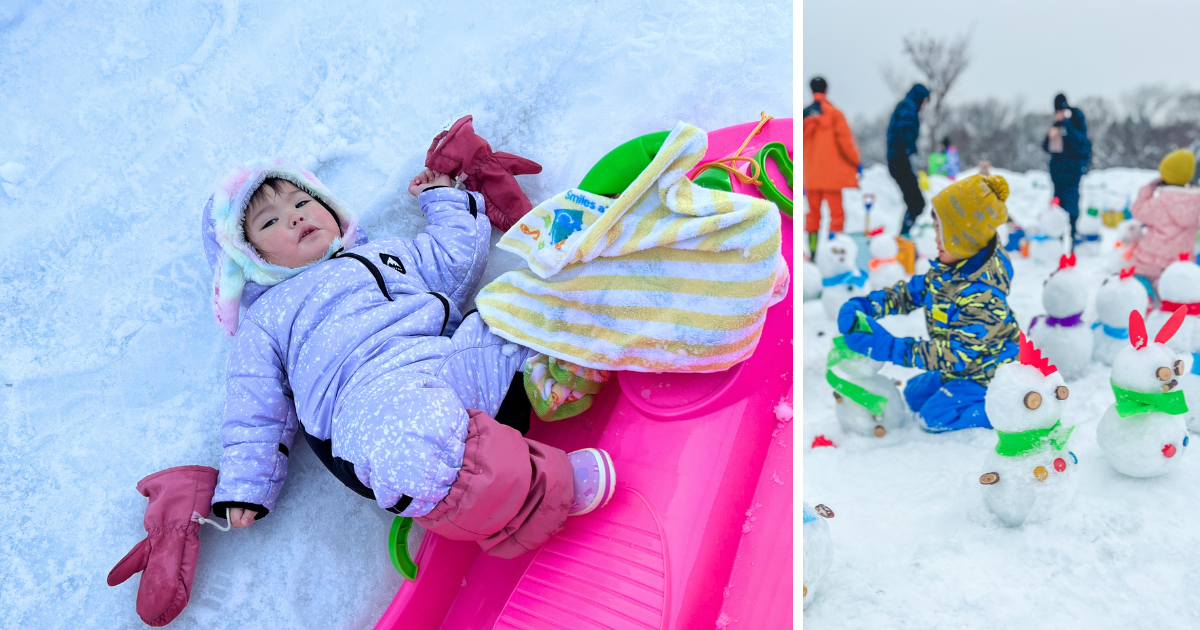
Hokkaido’s winter presents unique challenges for families traveling with children. With temperatures regularly dropping below -10°C (14°F) and heavy snowfall throughout the season, proper clothing preparation is essential for a comfortable and enjoyable experience.
This comprehensive guide outlines the eight essential clothing items that will ensure your family stays warm, dry, and safe during winter activities in Hokkaido. Whether you’re planning ski adventures, snow play, or exploring winter festivals, this guide will help you prepare appropriately.
Understanding Hokkaido’s Winter Climate
Before discussing specific clothing items, it’s important to understand what makes Hokkaido’s winter unique:
- Temperature range: -5°C to -15°C (23°F to 5°F) in most areas, occasionally dropping to -20°C (-4°F)
- Snowfall: Heavy and frequent, with snow cover from December through March
- Humidity: Extremely dry air, requiring special attention to skin protection
- Wind conditions: Can be severe, especially in coastal and mountainous areas
Essential Item #1: Ski Wear – Visibility and Protection
Key Features to Consider
- Importance Rating: ★★★★★
- Primary function: Protection from snow, wind, and cold
- Critical consideration: High-visibility colors (pink, blue, bright red)
- Recommended duration: Suitable for 3-4 hours of continuous outdoor activity
Why High-Visibility Colors Matter
In Hokkaido’s white landscape, children can easily become difficult to spot, especially in crowded ski resorts or during festivals. Bright-colored outerwear serves dual purposes:
- Enhanced safety monitoring in snowy environments
- Quick identification in emergency situations
- Better photography opportunities
Professional Recommendations
- For full-day skiing: Professional-grade ski wear from established brands
- For casual snow play (3-4 hours): Mid-range options prioritizing visibility over technical features
- Size consideration: Purchase one size larger to extend usability across multiple seasons
- Popular brands: nnoum offers excellent color combinations (sax/magenta patterns)
Essential Item #2: Base Layer – The Foundation of Warmth
Key Features to Consider
- Importance Rating: ★★★★★
- Primary function: Temperature regulation and moisture management
- Material priority: Moisture-wicking synthetic or merino wool
- Investment recommendation: High – quality base layers make significant difference
The Science of Layering
The base layer is arguably the most critical component of winter clothing. Quality base layers provide:
- Efficient moisture wicking to prevent sweat accumulation
- Temperature regulation during varying activity levels
- Foundation warmth that outerwear alone cannot provide
Professional Recommendations
- Primary base layer: BURTON Kids line offers excellent performance
- Additional layer: Heat-tech or long-sleeve shirt underneath for extreme cold
- Critical note: Avoid 100% cotton – it retains moisture and causes rapid cooling
- For active children: Prioritize quick-dry materials over maximum warmth
- Multiple sets recommended: Allow for daily changes during extended stays
Essential Item #3: Winter Boots – Mobility Matters
Key Features to Consider
- Importance Rating: ★★★★★
- Primary function: Waterproofing and insulation
- Critical consideration: Flexibility and weight
- Recommended type: Insulated rain boots over rigid snow boots for young children
Winter Boots vs. Snow Boots: A Critical Comparison
| Feature | Insulated Rain Boots | Traditional Snow Boots |
|---|---|---|
| Flexibility | High – natural walking motion | Low – restricted movement |
| Weight | Light – reduced fatigue | Heavy – tiring for children |
| Waterproofing | Excellent – fully sealed | Good – but can have gaps |
| Versatility | Works in slush and puddles | Best in deep snow only |
Professional Recommendations
- Recommended brand: WILD TREE winter boots with fleece lining
- Interior insulation: Boa or fleece material essential
- Height: Mid-calf minimum to prevent snow entry
- Local insight: Many Hokkaido preschools specify rain boots over snow boots for daily use
Essential Item #4: Foot Covers – The Overlooked Essential
Key Features to Consider
- Importance Rating: ★★★★★
- Primary function: Complete snow barrier between boots and pants
- Critical consideration: Waterproof material with secure closure
- Local status: Standard equipment for all Hokkaido families
Why Foot Covers Are Non-Negotiable
The gap between boots and pants is the primary entry point for snow. Once snow enters this space:
- Socks become wet within minutes
- Feet temperature drops rapidly
- Children’s comfort and willingness to continue outdoor activities plummets
- Risk of cold-related discomfort increases significantly
Professional Recommendations
- Recommended brand: YUK Original Waterproof Foot Covers
- Size range: 90-120cm accommodates most children
- Price point: Approximately ¥1,000 – excellent value for function
- Maintenance: Machine washable for convenient care
- Design consideration: Choose patterns children will enjoy wearing
Essential Item #5: Winter Socks – Foundation for Warm Feet
Key Features to Consider
- Importance Rating: ★★★★☆
- Primary function: Insulation and cushioning
- Material priority: Wool blend or technical synthetics
- Critical consideration: Thickness and height
The Impact of Proper Sock Selection
Cold feet are the fastest way to end outdoor activities. Quality winter socks provide:
- Thermal insulation without compression
- Cushioning for extended walking or skiing
- Moisture management to prevent dampness
- Extended comfort during long outdoor sessions
Professional Recommendations
- Primary recommendation: BURTON Kids ski socks
- Thickness: Single heavy-duty sock superior to multiple thin layers
- Height: Knee-high or over-calf to prevent gaps with pants
- Additional heating: Mini heat packs can be placed on top of foot for extreme cold
- Material to avoid: Thin cotton socks provide insufficient insulation
Essential Item #6: Head and Neck Protection – Critical Heat Retention
Key Features to Consider
- Importance Rating: ★★★★★
- Primary function: Heat retention and wind protection
- Critical areas: Ears, neck, and lower face
- Activity-specific recommendations: Helmets for skiing, insulated hats for snow play
Understanding Heat Loss
The head and neck are significant sources of heat loss. Proper protection in these areas:
- Maintains core body temperature more efficiently
- Prevents rapid overall cooling
- Protects sensitive ear tissue from frostbite
- Provides wind barrier for facial comfort
Professional Recommendations
- For skiing: Helmet use is mandatory for safety
- For snow play: Fleece-lined hood with ear coverage
- Recommended product: CLARAH Animal Boa Hat with integrated scarf
- Additional protection: Face masks for extreme cold or windy conditions
- Safety note: Neck warmers preferred over scarves to prevent entanglement hazards
Essential Item #7: Gloves – Length and Insulation Priority
Key Features to Consider
- Importance Rating: ★★★★★
- Primary function: Hand warmth and snow barrier
- Critical design element: Extended length to mid-forearm
- Style recommendation: Mittens over five-finger gloves
Why Length Matters More Than You Think
Short gloves create a vulnerable gap at the wrist where:
- Snow easily enters during play activities
- Wind penetrates causing rapid heat loss
- Wet conditions develop quickly from melted snow
- Children’s hands become uncomfortable within 30 minutes
Professional Recommendations
- Recommended brand: BURTON Toddler Mittens with extended cuff
- Style reasoning: Mittens allow fingers to warm each other, providing superior insulation
- Layering option: Thin five-finger liner gloves inside mittens for maximum warmth
- Practical feature: Attachment cord prevents loss when removed
- Waterproofing: Essential outer layer to prevent moisture penetration
Essential Item #8: Hand and Foot Warmers – Strategic Heat Supplementation
Key Features to Consider
- Importance Rating: ★★★☆☆
- Primary function: Supplementary warmth for extended outdoor exposure
- Type recommendation: Adhesive mini warmers
- Critical safety consideration: Proper placement to avoid burns
Safe and Effective Use
Heat packs are useful supplements but require careful management:
- Place on clothing layers, never directly on skin
- Monitor children’s feedback on temperature
- Remove immediately if too hot
- Best locations: back, lower back, or top of foot (inside boot)
Professional Recommendations
- Recommended product: Iris Ohyama low-temperature type, mini size
- Duration: 10-hour types provide all-day coverage
- Quantity: Bulk purchasing (120-pack) recommended for extended stays
- Placement for children: Adult supervision required
- Safety warning: Never place on undergarments or bare skin – risk of low-temperature burns
Additional Recommended Items
Complete Change of Clothes
Despite best preparations, children may get wet. Essential backup items:
- Complete base layer set
- Extra socks (2-3 pairs minimum)
- Backup gloves or mittens
- Additional neck warmer or hat
Large Waterproof Bags
For wet clothing management:
- Heavy-duty ziplock bags (gallon size or larger)
- Separate compartments for wet and dry items
- Keep in vehicle for easy access
Towels and Moisture Management
- Quick-dry towels (3-4 minimum)
- For sweat, snow, and general cleanup
- Microfiber types pack efficiently
Skin Protection
- Heavy-duty moisturizing cream
- Lip balm with SPF protection
- Sunscreen (snow reflection intensifies UV exposure)
Layering System: Putting It All Together
Recommended Layer Configuration
Layer 1 (Base):
- Moisture-wicking underwear
- Technical base layer top and bottom
- Warm winter socks
Layer 2 (Insulation):
- Long-sleeve shirt or light fleece
- Optional: Thermal leggings under base layer pants in extreme cold
Layer 3 (Shell):
- Waterproof, windproof ski wear or snow suit
Extremities Protection:
- Head: Insulated hat or helmet
- Neck: Neck warmer or integrated scarf
- Hands: Extended mittens or gloves
- Feet: Insulated boots + foot covers
Common Mistakes to Avoid
Over-Layering
Excessive layers can cause:
- Overheating and excessive sweating
- Moisture accumulation leading to later cooling
- Restricted movement and reduced comfort
Cotton Base Layers
Cotton is unsuitable for winter activities because it:
- Retains moisture from sweat
- Loses insulation properties when wet
- Takes extended time to dry
- Accelerates heat loss
Inadequate Coverage
Gaps between clothing items create vulnerability:
- Snow entry points at wrists, ankles, neck
- Wind penetration causing rapid cooling
- Reduced overall system effectiveness
Neglecting Backup Items
Failing to prepare backup clothing means:
- Potential early end to outdoor activities
- Uncomfortable return journey
- Risk of cold-related health issues
Age-Specific Considerations
Infants (0-2 years)
- Limited mobility means higher insulation needs
- Full-body snow suits recommended
- Frequent warming breaks essential
- Limited outdoor duration (30-45 minutes maximum)
Toddlers (2-5 years)
- High activity but limited self-awareness of cold
- Mittens strongly preferred over gloves
- Simple on/off design for bathroom breaks
- Extra changes of clothes critical
School-Age Children (6-12 years)
- Greater independence in dressing
- Individual preference becomes important
- Can manage more sophisticated layering systems
- Better temperature self-monitoring
Budget Planning Guide
Essential Investment Priority
High Priority (Don’t Compromise):
- Quality base layers: ¥3,000-5,000 per set
- Proper boots: ¥3,000-6,000
- Extended mittens/gloves: ¥2,000-4,000
- Total minimum: ¥8,000-15,000
Medium Priority (Quality Matters):
- Ski wear/snow suit: ¥5,000-15,000
- Head and neck protection: ¥2,000-4,000
- Winter socks: ¥1,000-2,000
Standard Priority (Functional Options Available):
- Foot covers: ¥1,000-2,000
- Heat packs: ¥1,000-2,000 (bulk)
- Backup clothing: Variable
Cost-Saving Strategies
- Purchase end-of-season for next year
- Buy slightly larger for multi-season use
- Prioritize quality on items touching skin
- Consider rental options for single-trip visitors
- Share/exchange with other families for growing children
Where to Purchase
In Hokkaido
- Specialty outdoor stores: Widest selection, expert advice
- Department stores: Good variety, seasonal sales
- Sports chains: Competitive pricing on major brands
- Local shops: Hokkaido-specific knowledge and recommendations
Before Arriving
- Online retailers: Allow time for shipping and size exchanges
- Specialty ski shops: In your home area may have relevant products
- International outdoor brands: Often ship globally
Rental Options for Short-Term Visitors
For families visiting Hokkaido for limited duration, rental may be more practical than purchase:
Available Through
- Ski resorts: Comprehensive packages available
- Hotels and accommodations: Some offer guest rental services
- Specialized rental shops: In major tourist areas
- Online reservation services: Book before arrival
Typical Rental Packages Include
- Ski wear or snow suits
- Boots (some locations)
- Basic accessories
Items Usually Not Available for Rental
- Base layers (hygiene reasons)
- Socks
- Gloves (usually)
- Personal accessories
Seasonal Timing Considerations
Early Winter (December-January)
- Temperatures: -5°C to -10°C
- Snow conditions: Building but not yet maximum
- Recommended: Full gear as outlined
Peak Winter (January-February)
- Temperatures: -10°C to -20°C
- Snow conditions: Maximum accumulation
- Recommended: All items essential, consider extra insulation
Late Winter (March)
- Temperatures: -5°C to 5°C (warming)
- Snow conditions: Still significant but melting begins
- Recommended: Full gear but may remove layers during peak sun hours
Final Recommendations
The Three Non-Negotiable Priorities
- Prevent Snow Entry
- Foot covers and extended gloves are essential
- No gaps between clothing items
- Once wet, outdoor activities become uncomfortable
- Invest in Quality Base Layers
- Foundation of your entire system
- Cheap base layers result in cold, unhappy children
- Quality difference is immediately noticeable
- Choose High-Visibility Outerwear
- Safety in crowded or open snow areas
- Easy child monitoring
- Better photos and memories
Testing Your System
Before your main trip, conduct a trial run:
- Test all items together in realistic conditions
- Identify any gaps or issues
- Practice quick changes with children
- Verify comfort during active play
- Make adjustments as needed
Day-of-Activity Checklist
Before Leaving Accommodation:
- ☐ All base layers properly fitted
- ☐ Outer layers accessible
- ☐ Foot covers in place
- ☐ Extra clothing packed
- ☐ Heat packs activated (if using)
In Vehicle/Before Activities:
- ☐ Double-check no gaps in coverage
- ☐ Gloves and hats secured
- ☐ Verify children’s comfort level
- ☐ Backup items easily accessible
During Activities:
- ☐ Regular comfort checks (every 30-45 minutes)
- ☐ Watch for signs of overheating or cold stress
- ☐ Take warming breaks as needed
- ☐ Address wet clothing immediately
Conclusion
Proper winter clothing preparation transforms a Hokkaido family winter visit from a potentially uncomfortable experience into a magical adventure. The eight essential items outlined in this guide—quality ski wear, technical base layers, appropriate footwear, foot covers, winter socks, head and neck protection, extended gloves, and strategic heat packs—form a comprehensive system that keeps children comfortable, safe, and happy during winter activities.
While the initial investment may seem significant, the difference in experience quality is substantial. Children equipped with proper winter gear can enjoy hours of outdoor play without complaint, creating positive memories that last a lifetime. Parents can relax and enjoy activities rather than constantly managing cold-related complaints or cutting trips short.
Remember that winter gear is an investment that typically lasts multiple seasons, especially when purchased slightly larger. The cost per use becomes very reasonable, particularly for families planning multiple winter trips or living in areas with significant winter weather.
Most importantly, never compromise on the three critical priorities: preventing snow entry, investing in quality base layers, and choosing high-visibility outerwear. These elements form the foundation of a successful winter clothing system.
With proper preparation and the right equipment, your family will be ready to fully embrace everything Hokkaido’s winter has to offer—from pristine ski slopes to enchanting snow festivals, from snowman building to winter wildlife observation. The magic of Hokkaido’s winter awaits, and with this guide, your family will be perfectly equipped to enjoy every moment.
Safe travels and wonderful winter memories in Hokkaido!
Ready to Plan Your Hokkaido Adventure?
Get my detailed family travel guides with handpicked hotels, realistic itineraries, and insider tips from 30 years of local knowledge.
View Digital Travel Guides →