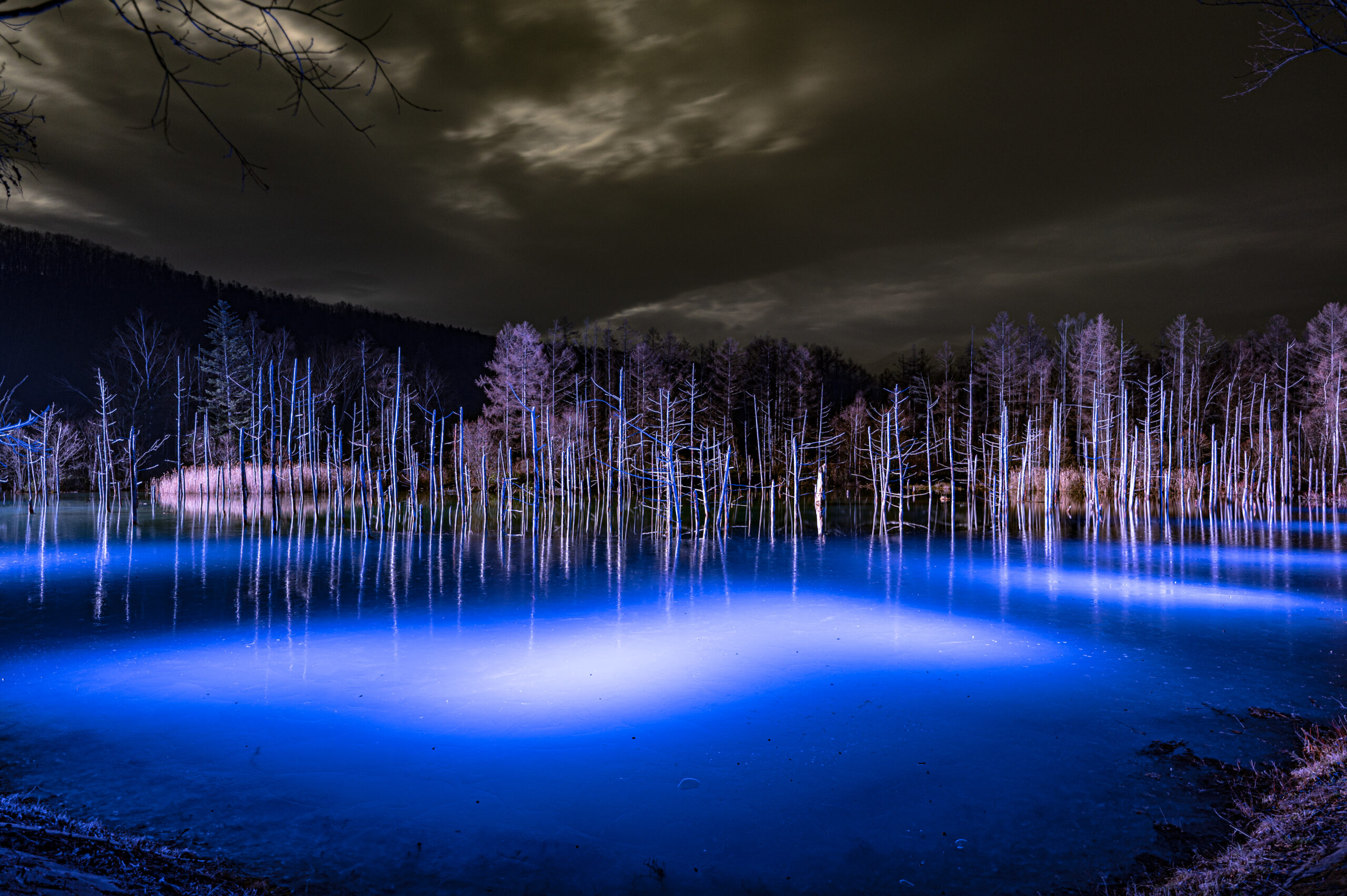
What makes Biei in winter so special compared to other Hokkaido destinations? The answer lies in landscapes you can only witness when snow transforms this agricultural region into a minimalist masterpiece — rolling white hills, lone trees standing against vast emptiness, and that famous turquoise pond that somehow stays liquid even in -20°C cold.
Biei has evolved from a quiet farming community into one of Japan’s most photographed winter destinations.
In this guide, you’ll discover:
- 8 stunning winter spots showcasing Biei’s unique snow landscapes
- How to visit responsibly without damaging farmland or contributing to overtourism
- Practical transportation options including organized tours
- Realistic budgets and seasonal timing advice
Let’s explore Biei winter the right way — together.
1. What Makes Biei Winter Landscapes Unique
Biei winter isn’t about attractions or activities — it’s about witnessing a landscape stripped down to its essential elements. When snow covers the patchwork farmland from November to April, what remains is pure form: gentle ridgelines, light and shadow, and the occasional tree punctuating a vast whiteness.
The Hokkaido Winter Light
The quality of light across these snow-covered hills is something you simply cannot experience anywhere else. Hokkaido’s dry winter air creates exceptionally clear conditions. Early mornings bring blue-toned shadows that emphasize every undulation in the terrain. Midday sun on fresh snow produces an almost blinding brilliance, and late afternoon casts long shadows that turn simple hills into dramatic sculptural forms.
This isn’t the heavy, wet snow of Honshu. Biei’s powder snow — the same light powder that makes Niseko world-famous for skiing — creates smooth, clean surfaces across the agricultural fields.
A Working Landscape, Not a Theme Park
Understanding what makes Biei special requires recognizing that this is farmland first, tourist destination second. The famous trees — Ken & Mary, Seven Star, Parent and Child — stand in active potato and wheat fields. The rolling hills you photograph are someone’s livelihood.
This creates both the beauty and the responsibility of visiting Biei in winter. The pristine snow you see in photos exists because farmers protect their land. When visitors walk into fields, they compact snow that later melts irregularly, creating ice that damages young crops in spring. Those Instagram photos of footprints leading to a lone tree? They represent real agricultural damage.
💡 Mai’s Perspective: After 12 years working in Hokkaido tourism, I’ve seen firsthand how overtourism wears down local communities. Biei farmers have said it repeatedly: “If there are no footprints in the snow, that’s not an invitation — it’s a sign that the land is off-limits. The absence of footprints is proof that the farmer has worked hard to protect it.” We need to take those words seriously.
Responsible Winter Tourism
- Use designated parking areas — never stop on the roadside
- Never enter farmland, even when covered in snow
- Stick to marked observation areas and boardwalks
- Visit during off-peak hours (weekday mornings)
The best Biei experience isn’t about finding an angle no one else has captured. It’s about appreciating the landscape from appropriate viewing points, understanding its agricultural context, and leaving it exactly as pristine as you found it.
⚠️ Important: Many “famous” roadside spots along Patchwork Road and Panorama Road have no proper parking facilities. Stopping at these locations contributes directly to overtourism problems — blocked roads, trespassing onto private farmland, and conflict with local residents. Please use designated observation facilities where parking and viewing areas are purpose-built for visitors.
2. Best Time to Visit Biei in Winter
Biei’s winter season runs from late November to early April, but the photographic opportunities and visitor experience vary dramatically by month.
December to February: Peak Winter Beauty
This is when Biei achieves its most iconic aesthetic — deep snow coverage, crisp air, and that distinctive blue-white colour palette. Blue Pond’s illumination runs from November through late April (5:00 PM – 9:00 PM), and the night-time scene is particularly magical.
- Best for: Photographers seeking pristine snow conditions and maximum white coverage
- Challenges: Temperatures drop to -15°C to -20°C; shortest daylight hours (sunrise around 7 AM, sunset around 4 PM)
- Crowd level: Medium to high, especially on weekends and public holidays
March to Early April: Transitional Winter
Snow remains but begins showing signs of the spring thaw. Temperatures moderate significantly (-5°C to 5°C) and daylight extends noticeably.
- Best for: Visitors less comfortable with extreme cold; those who prefer milder conditions for photography
- Challenges: Snow may appear less pristine; brown patches emerge on south-facing slopes
- Crowd level: Low
💡 Mai’s Tip: For the purest winter aesthetic, mid-January to mid-February is the sweet spot. Snow coverage is at its most complete and the landscape achieves that minimalist perfection Biei is known for. March offers a different kind of beauty — softer light, occasional fog, and the subtle feeling of spring stirring beneath the snow.
⚠️ Note: Always check road conditions before heading out. Main roads receive priority plowing, but scenic rural roads can temporarily close after heavy snowfall. Winter conditions in Hokkaido can change rapidly. Depending on temperatures, some years see an early thaw. If the scenery isn’t quite what you hoped for — just look forward to coming back next time!
3. 8 Stunning Winter Spots in Biei
3-1. Blue Pond (Aoiike) — The #1 Must-Visit
The most famous spot in Biei, and deservedly so. The natural turquoise water set against standing dead larch trees creates an otherworldly winter scene that has become an icon of Hokkaido tourism.
- Designated parking lot with 50+ spaces and clean restrooms
- Wheelchair-accessible boardwalk leading to the viewing platforms
- Evening illumination (November – April, 5:00 PM – 9:00 PM) that transforms the scene completely
- Well-managed site with clear boundaries preventing trespassing
- Time needed: 30–45 minutes (longer for illumination viewing)
- Parking: Dedicated free parking lot
- Facilities: Clean restrooms, vending machines, information centre
💡 Mai’s Tip: The turquoise colour comes from natural aluminium hydroxide in the water — it’s most vivid on overcast days when harsh sunlight doesn’t create surface glare. For the illumination, arrive by 5:15 PM to secure parking. Weekday evenings are far less crowded than weekends and offer a much more contemplative experience.
Responsible visiting: The boardwalk exists specifically to protect the fragile pond ecosystem. Please stay on designated paths at all times. Walking along the pond’s edge damages vegetation and causes erosion.
3-2. Shirogane Onsen Area
Just 3km uphill from Blue Pond, this small hot spring village offers mineral-rich natural onsen sourced from nearby Mount Tokachi.
- Shirogane Onsen Hotel: Day-use bathing available
- Biei Onsen Shirogane no Yu: Public day-use facility
💡 Mai’s Tip: The water here has a gentle sulphuric mineral content that works wonders on cold-weather aches. If you’re spending multiple days exploring Biei in winter, an evening onsen stop becomes less about sightseeing and more about genuine physical recovery.
3-3. Patchwork Road & Panorama Road — Visit with Caution
These scenic driving routes gained fame decades ago for the Ken & Mary Tree, Seven Star Tree, and Parent and Child Tree. Today, however, they have become a textbook example of how tourism can damage agricultural communities.
The overtourism reality:
- Most “famous photo spots” have no proper parking facilities
- Visitors park on narrow farm roads, blocking agricultural vehicles and creating dangerous situations
- Most of the photographed trees stand on private farmland where entry is prohibited
- In winter, snow banks narrow the roads further, making illegal parking even more dangerous
💡 Mai’s Recommendation: Skip self-driving these routes. Instead, use the buses and tours organised by the Biei Tourism Association — they’re the responsible way to experience these landscapes.
⚠️ Important: If you see a tree surrounded by pristine, untouched snow, that is not an invitation — it means the landowner has worked hard to protect their property. Respecting that boundary matters far more than getting a photograph.
3-4. Shikisai no Oka (Four Seasons Hill)
Famous for its colourful flower fields in summer, this commercial farm transforms into a winter activity zone. Unlike purely photographic spots, Shikisai no Oka offers hands-on experiences.
- Alpaca farm area
- Snowmobile rides
- Snow buggy tours around the property
- Heated rest house with local products and hot food
- Time needed: 1–2 hours
- Entry: Free to the grounds
💡 Mai’s Tip: Shikisai no Oka represents commercial tourism done right in Biei — purpose-built infrastructure, proper parking, staff to manage crowds, and activities that don’t depend on trespassing into working fields. It’s touristy, yes, but that’s far preferable to the “authentic but destructive” alternative of wandering into someone’s farmland.
3-5. Ken & Mary Tree & Mild Seven Hill — Not Recommended for Independent Visits
Perhaps Biei’s most famous individual landmarks — a poplar tree from a 1970s car commercial (Ken & Mary) and a hillside of larches from a cigarette advertisement (Mild Seven Hill). Both are iconic, both are heavily photographed, and both exemplify Biei’s overtourism problem.
The issues:
- Both trees stand on private farmland
- The “parking areas” are informal roadside pulloffs, not legitimate parking
- Compacted snow turns to ice in spring and damages emerging crops
- Farmers have repeatedly asked visitors to stop entering their fields
3-6. Biei Senbo no Oka (Observatory Hill)
A publicly maintained observation facility with proper infrastructure for viewing Biei’s landscape — exactly the kind of responsible tourism setup that should be the model for the region.
- Heated observation tower with 360° views
- Indoor rest area
- Clean restrooms
- Designated parking (20 vehicles)
- Free admission
What you’ll see: a panoramic view of snow-covered Biei countryside and the Daisetsuzan mountain range — all without setting foot on private farmland.
- Time needed: 20–40 minutes
- Cost: Free
3-7. Biei Senkyo (Local Agricultural Products Centre)
A practical stop offering local farm produce, prepared food, and essential facilities — particularly useful as a midpoint rest during your Biei exploration.
- Fresh-baked bread and pastries
- Local vegetables, dairy, and processed products
- Hot lunch sets and soups
- Clean restrooms, free Wi-Fi, and rest area seating
- Time needed: 15–30 minutes for a rest stop; longer if eating or shopping
- Cost: Depends on purchases
3-8. Ferme La Terre Biei
A farm-to-table restaurant using ingredients grown on-site and sourced from neighbouring Biei farms, serving some of the region’s best pizza.
- Wood-fired pizza with seasonal Biei vegetables
- Soup and salad sets featuring local produce
- Limited daily lunch specials
- Time needed: 1–1.5 hours for a full meal
- Reservations: Recommended, especially on weekends
- Note: Winter hours may vary — call ahead to confirm
💡 Mai’s Tip: The quality here justifies the slightly higher prices. You’re directly supporting a Biei farm family that has built a sustainable tourism model. Choosing restaurants like this — rather than trespassing on farmland for photos — is what tourism that actually benefits local communities looks like.
4. How to Visit Biei Winter Responsibly
The best way to experience Biei in winter is through organised tours that have established relationships with the local community. These tours use designated stopping points, support local businesses, and prevent the overtourism issues that independent travellers often unintentionally create.
Recommended Tour Options
From Sapporo:
- Chuo Bus Biei Winter Tour (full day, ¥12,000–14,000): Includes Blue Pond, Shirogane area, and designated scenic viewpoints. Professional guides provide agricultural and historical context. All parking and entry fees included.
- Club Tourism Biei-Furano Winter Tours (various itineraries): Small groups (max 15–20 people). Lunch at a local farm restaurant included. Some tours combine Biei with Furano attractions.
From Furano:
- Furano-Biei Kanko Taxi (half-day charter, ¥15,000 for 3 hours): Drivers know which stops are appropriate and have established relationships with landowners. Flexible routing based on weather and road conditions. English-speaking drivers available with advance request.
From Biei:
- Biei Tourism Association Tours (seasonal): Led by local residents who understand the community. May include farm visits not accessible to independent travellers. Directly supports Biei’s local economy.
If You Must Drive Independently
Limit yourself to these infrastructure-supported locations only:
- Blue Pond (dedicated parking, full facilities)
- Shikisai no Oka (commercial facility)
- Biei Senbo no Oka (public observation point)
- Takushinkan (established facility)
- Biei Senkyo (community facility)
Skip entirely:
- The “famous tree” pulloffs along Patchwork Road
- Informal roadside stops along Panorama Road
- Any location requiring you to stop on the road
- Any photo opportunity that requires entering a field
⚠️ Golden Rule: If there is no formal parking area, it is not an appropriate tourist stop. Full stop.
5. Practical Information
Best Time to Visit
Peak winter: Mid-January to mid-February
- Pros: Maximum snow coverage, pristine white landscapes, optimal photographic conditions
- Cons: Extreme cold (-15°C to -20°C), limited daylight hours
- Crowds: Moderate on weekdays, heavy on weekends
Late winter: Late February to March
- Pros: Milder temperatures (-5°C to 5°C), longer days, fewer crowds
- Cons: Snow quality declining, brown patches beginning to appear on hillsides
- Crowds: Light
💡 Mai’s Recommendation: For pure aesthetics, late January to early February. For a good balance of beauty and comfortable travel conditions, late February is the sweet spot.
What to Bring
Essential for any Biei winter visit:
- Waterproof insulated boots
- Layered clothing (thermal base layer + fleece mid-layer + waterproof shell)
- Insulated gloves (not thin fashion gloves)
- Warm hat covering your ears
- Sunglasses (snow glare is intense)
- Hand warmers — available at any convenience store (approx. ¥300 for a pack of 10)
- Thermos with a hot drink
- Fully charged phone + portable battery pack (cold drains batteries rapidly)
Additional items for photographers:
- Extra camera batteries (cold kills battery life quickly)
- Lens cloth for condensation when moving between cold outdoors and warm interiors
- Ziplock bags to protect gear during temperature transitions
💡 Mai’s Tip: Don’t underestimate the cold. -15°C feels dramatically different from anything most visitors have experienced in Tokyo or Kyoto. Proper footwear alone makes the difference between an enjoyable visit and a miserable one. Invest in appropriate winter gear — it’s worth every yen.
Budget Breakdown
| Plan | Breakdown | Total (per person) |
|---|---|---|
| Organised Tour (from Sapporo) | Tour package ¥12,000–14,000 (transport, some meals, entry fees included) + souvenirs & personal expenses ¥2,000–4,000 | ¥14,000–18,000 |
| Rental Car (independent) | Car rental ¥10,000 + expressway & fuel ¥6,500 + Blue Pond free + Shikisai no Oka ¥0–2,000 + lunch ¥1,500–2,000 + onsen ¥800–1,200 | ¥19,000–22,000 (split among passengers) |
| Budget Option | Train from Sapporo (return) ¥8,000 + shared taxi tour from Furano ¥5,000 + food & activities ¥2,000–3,000 | ¥15,000–16,000 |
6. Frequently Asked Questions
Q1: Is Biei worth visiting in winter compared to summer?
A: They are completely different experiences. Summer Biei showcases colourful flower fields and agricultural patterns. Winter strips away those details, leaving pure form — hills, shadows, and minimal elements. If you’re drawn to minimalist aesthetics and don’t need vibrant colour, winter offers a more contemplative experience. Blue Pond is arguably more dramatic in winter with the illumination. That said, summer offers more variety in activities and is considerably easier to get around in.
Q2: Can I visit Biei’s famous trees and viewpoints without a car?
A: Not practically. Most iconic locations are 5–15km from Biei Station with no public transport connecting them. Your options are: (1) book an organised tour (recommended), (2) hire a kanko taxi from Furano or Biei (¥15,000+ for 3–4 hours), or (3) rent a car and commit strictly to visiting only facilities with proper parking infrastructure. Getting around Biei’s scenic spots independently without a vehicle simply isn’t feasible.
Q3: Why do you discourage visiting Ken & Mary Tree when every guidebook recommends it?
A: Most guidebooks were written before overtourism reached current levels and don’t reflect the agricultural damage now occurring. Those trees stand in active private farmland. What was sustainable when 50 photographers visited annually no longer works when 5,000 visitors arrive daily at peak season. Farmers have explicitly asked tourists to stop entering their fields, but the message hasn’t yet reached mainstream travel media.
Q4: How cold is Biei in winter really, and what does that mean practically?
A: January–February averages -15°C, but can reach -25°C on cold mornings. It’s a dry cold (unlike the humid chill of coastal regions), so it’s more tolerable than equivalent temperatures elsewhere — but still extremely cold. In practice: exposed skin becomes uncomfortable within 5–10 minutes, metal camera equipment is painful to touch, car door locks can freeze, and inadequate clothing will make your visit miserable rather than enjoyable. Proper gear isn’t optional — it’s essential.
Q5: Should I book a tour or rent a car for Biei?
A: Tours have several real advantages: (1) you visit appropriate locations without worrying about parking legality, (2) guides provide agricultural and historical context most independent visitors miss, (3) tour operators have community relationships and stopping permissions, (4) you avoid winter driving stress. Renting a car makes sense only if you’re experienced with winter driving AND commit strictly to established facilities (Blue Pond, Shikisai no Oka, public observation points). Don’t rent a car planning to “wing it” at famous photo spots — many lack proper parking and contribute directly to overtourism.
Q6: What should I do if I see others walking into fields or parking illegally?
A: You’re not the tourism police — you don’t need to confront anyone. But you can: (1) not do it yourself, (2) support responsible tourism by booking tours and visiting proper facilities, (3) share accurate information when helping others plan their trips. The volume problem exists precisely because each person thinks “one more won’t hurt.” Cultural change happens when enough individuals make different choices.
7. Summary
Biei in winter offers landscapes found nowhere else in Japan — minimalist snow-covered hills, lone trees against vast whiteness, and that impossibly turquoise pond that refuses to freeze even in sub-zero temperatures. It’s beautiful, photogenic, and increasingly at risk from the very tourism that has made it so well known.
Key takeaways:
- Biei’s winter beauty exists because it’s working farmland first, tourist destination second — respecting that distinction is everything
- Use organised tours where possible; they have community relationships and know which stopping points are actually appropriate
- If driving independently, limit yourself strictly to designated facilities: Blue Pond, Shikisai no Oka, and public observation points
- Untouched snow around a landmark tree means the farmer has successfully protected their land — not that you should be the first to walk there
- Best timing: mid-January to mid-February for peak winter aesthetics; late February to March for milder, easier travel conditions
- Budget ¥12,000–18,000 for organised tours; ¥19,000+ if driving independently (only if committed to responsible locations)
The future of Biei winter tourism depends on visitors understanding the difference between “I can access this” and “I should access this.” The most photographed landscapes in Biei are the ones viewed from appropriate facilities — not trespassed fields. Choose tours that support local communities. Visit facilities rather than roadsides. Leave fields untouched. These aren’t restrictions — they’re how we preserve Biei winter for future visitors while respecting the farmers who create and maintain these landscapes.
Visit Biei winter responsibly, and you’ll have one of Hokkaido’s most memorable experiences.
Ready to Plan Your Hokkaido Adventure?
Get my detailed family travel guides with handpicked hotels, realistic itineraries, and insider tips from 30 years of local knowledge.
View Digital Travel Guides →