Did you know how many zoos there are in Hokkaido? Many families assume it’s just Asahiyama Zoo — but Hokkaido is actually home to several other wonderfully unique zoos, each offering experiences you simply can’t find anywhere else.
What you’ll learn in this guide:
- What makes each of Hokkaido’s 5 major zoos special, and why families love them
- Spots that actually work for both a 2-year-old and a 9-year-old — from real experience
- The best times to visit to avoid crowds
- Access tips and money-saving tricks for each zoo
Let’s plan your Hokkaido zoo adventure together!
1. Asahiyama Zoo – Does Japan’s Most Famous Zoo Live Up to the Hype?
Asahiyama Zoo in Asahikawa, Hokkaido, is world-famous for its “behavioral exhibit” approach — a revolutionary method of showcasing animals in ways that highlight their natural behaviors. Once on the brink of closure, the zoo staged a remarkable comeback and now welcomes over one million visitors a year.
Highlights at Asahiyama Zoo
The zoo’s greatest draw is the ability to watch animals moving dynamically and in three dimensions, right up close.
Underwater Tunnel (Seal Tank) Seals swim vertically through an underwater tunnel and glide directly past you — the moment they pass is absolutely breathtaking. The first time my 2-year-old daughter saw it, she froze in awe (ha!). My 9-year-old son just kept saying, “That’s incredible!” and refused to leave.
Penguin House & The Penguin Parade (Winter Only) The Penguin Parade, held from mid-November to mid-March, is one of Asahiyama’s most beloved events. Watching the penguins waddle through the snow right in front of you never gets old — no matter how many times you’ve seen it. That said, viewing spots fill up quickly, so arrive early.
Orangutan Sky Walk Orangutans crossing high overhead on aerial ropes — the “Sky Walk” — is a particular favorite for kids around age 9. Looking up as they glide above you gives a genuinely thrilling feeling.
Chibi-Ko Animal Zone (Petting Area) A hands-on area for younger children (ages 2–4) where kids can interact with goats and rabbits. My daughter loved this spot so much she absolutely refused to move on (laughing).
Tips for Visiting Asahiyama Zoo
💡 Mai’s Tip: Summer at Asahiyama is seriously crowded. August’s Obon holiday period is peak of the peak — people start staking out spots for “Mealtime Shows” a full 30 minutes before they begin. My recommendation: arrive right at opening (9:30 AM) or come after 3:30 PM. If you’re visiting in summer with kids, a weekday makes a world of difference.
⚠️ Important: Asahiyama Zoo is built on hilly terrain, meaning lots of slopes throughout the grounds. If you’re bringing a stroller, be prepared (ha!). Stroller rentals are available for a fee. The nursing room is located inside the “Children’s Farm” area near the main gate.
Address: 東旭川町倉沼, Asahikawa, Hokkaido
Hours: Summer 9:30 AM – 5:15 PM / Winter 10:30 AM – 3:30 PM (last entry 30 minutes before closing)
Admission: Adults ¥1,000 / Middle school students and under: FREE (Asahikawa residents under middle school age: free)
Closed: Periods in early April and early November (check the official website each year)
2. Maruyama Zoo – The Most Family-Friendly Zoo, Right in Sapporo
For families who think, “We don’t have time to get all the way to Asahiyama, but we still want to take the kids to a zoo” — Maruyama Zoo in Sapporo is the perfect answer. Located just a 10-minute walk from Maruyama-Koen Station on the Tozai Subway Line, it’s easy to work into a half-day itinerary while you’re in the city.
Highlights at Maruyama Zoo
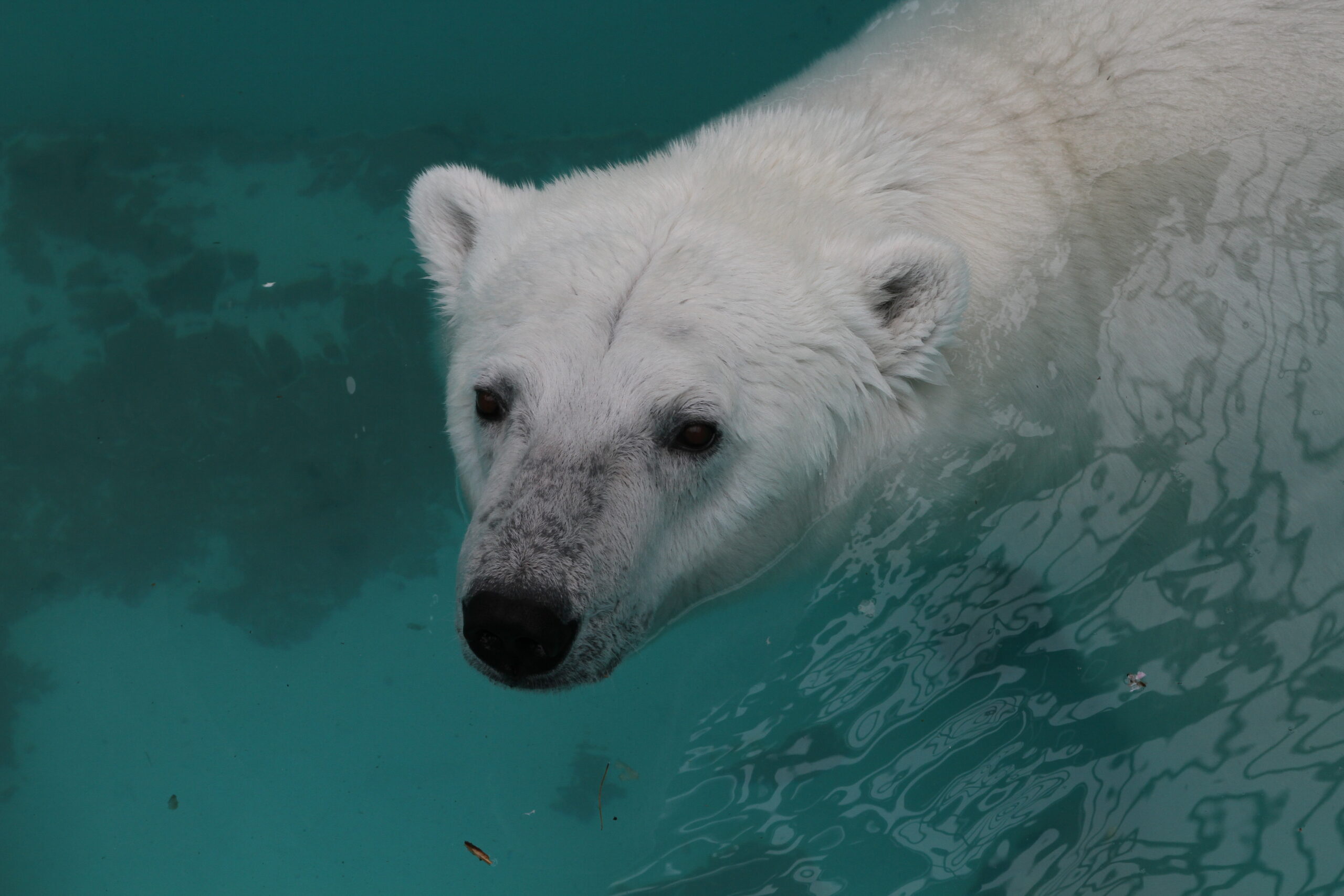
Polar Bear House (Renovated in 2019) The recently renovated Polar Bear facility offers up-close views of their powerful underwater swimming through large glass panels. Bears often swim directly toward the glass — small children are consistently amazed by just how enormous they are.
Elephant House (Asian Elephants) Maruyama Zoo is the only place in Hokkaido where you can see elephants. The spacious indoor exhibit brings you incredibly close to them. My 9-year-old son said, “I’ve never seen an elephant this close in my life!” — and he meant it.
Children’s Forest (Petting Area) The hands-on area where kids can interact with guinea pigs and rabbits is especially popular with children aged 2–5. Staff are on hand to support children who are nervous around animals, making it a genuinely reassuring experience.
Restaurants & Nursing Facilities The zoo has multiple restaurants, and nursing rooms are available in several locations throughout the grounds. Diaper changing stations are installed in nearly every restroom — making this one of Hokkaido’s most infant-friendly zoos.
💡 Mai’s Tip: One of Maruyama Zoo’s biggest advantages is that it comes with a bonus: Maruyama Park next door. The park is a beautiful natural space perfect for collecting acorns and fallen leaves after your zoo visit — a wonderful cool-down for kids with leftover energy. The autumn foliage in October is particularly stunning.
Address: 3-1 Miyagaoka, Chuo-ku, Sapporo, Hokkaido
Hours: 9:00 AM – 4:30 PM (5:00 PM in summer)
Admission: Adults ¥800 / High school students ¥400 / Middle school students and under: FREE
Access: Take the Tozai Subway Line to Maruyama-Koen Station, then a 10-minute walk or bus ride
3. Obihiro Zoo – Relaxed Vibes and Tokachi’s Native Wildlife
When local families in the Tokachi-Obihiro area want to take their kids to a zoo, Obihiro Zoo is their go-to recommendation. Admission is affordable, the atmosphere is wonderfully unhurried, and it makes a perfect “little detour” during a Tokachi road trip.
Highlights at Obihiro Zoo
Ezo Deer, Ezo Raccoon Dog, Ezo Squirrel & Other Hokkaido Native Species Unlike the bigger zoos, Obihiro Zoo has a strong focus on Hokkaido’s native wildlife — animals that live right here in Hokkaido. If you want to show your kids animals that are actually from the region, this is the place.
Polar Bears & Amur Tigers Larger animals are represented here too. The scale is smaller than the big zoos, but that means fewer queues and more time to actually watch — which is exactly what makes Obihiro Zoo great.
Animal Petting Corner Hands-on time with guinea pigs and rabbits is available during select periods and times.
💡 Mai’s Tip: Obihiro Zoo is best enjoyed as a combo with the adjacent Midorigaoka Park. The park has play equipment, and after the zoo, kids can run around freely to their hearts’ content. On a clear Tokachi day, the wide-open skies make it an especially refreshing outing — it’s a beloved spot for local families, and you’ll understand why immediately.
⚠️ Worth noting: Obihiro Zoo is small in scale, with fewer exhibits than Asahiyama or Maruyama. Think of it less as a standalone destination and more as a pleasant add-on to your Obihiro sightseeing.
Address: 2 Midorigaoka, Obihiro, Hokkaido
Hours: 9:30 AM – 4:30 PM (Weekends & public holidays only in winter: 11:00 AM – 2:00 PM)
Admission: Adults ¥420 / High school students ¥210 / Middle school students and under: FREE
4. Kushiro City Zoo – Hokkaido’s Hidden Gem of the East
If you’re traveling through eastern Hokkaido, Kushiro City Zoo is absolutely worth a visit. Locals affectionately call it simply “the zoo,” and it’s especially strong on exhibits featuring Hokkaido’s wild animals.
Highlights at Kushiro City Zoo
Amur Tiger (Siberian Tiger) The Amur Tiger — the world’s largest wild cat — is Kushiro City Zoo’s star attraction. Even viewing them through a fence, the sheer power and scale of these animals takes your breath away, adult and child alike. Kids around age 9 inevitably do a double-take: “Wait, real tigers are THAT big?!”
Ezo Brown Bear (Hokkaido Brown Bear) The Brown Bear, Hokkaido’s most iconic wild animal, is featured prominently here. You’ll never come face-to-face with one in the wild (thankfully), but experiencing their true size up close at the zoo is a powerful and memorable moment — and a great nature education for kids.
Red-Crowned Crane (Tancho) — National Special Natural Monument Kushiro is synonymous with the Tancho crane. The zoo features a dedicated exhibit where you can observe these elegant birds up close. Pair it with a visit to see wild Tancho cranes in the Kushiro Marsh for a truly unforgettable experience.
💡 Mai’s Tip: Kushiro City Zoo sees far more local visitors than tourists, which means it’s rarely crowded — even on weekends, nothing close to the chaos at Asahiyama. In summer, there’s also an amusement park section to enjoy alongside the animals!
Address: 11 Shimonishishubetsu, Akan-cho, Kushiro, Hokkaido
Hours: 9:30 AM – 4:30 PM (Winter: 10:00 AM – 3:30 PM)
Admission: Adults ¥580 / Middle school students and under: FREE
Access: Approx. 40 minutes by bus from Kushiro Station (bus services are limited — check the schedule in advance)
5. Hakodate Tropical Botanical Garden – Where Monkeys Bathe in Hot Springs!
“Wait — the monkeys are actually in a hot spring?!” — that’s every kid’s reaction when they first see Hakodate City Tropical Botanical Garden, located on the outskirts of Hakodate. Officially a “botanical garden,” it’s become famous for something far more memorable: a troop of Japanese macaques soaking in an open-air hot spring bath.
Highlights at Hakodate Tropical Botanical Garden
Japanese Macaques in the Hot Spring (Winter Only) From November to April, the “Monkey Onsen” — Japanese macaques bathing in a natural hot spring — is an experience you will not find anywhere else in the world. The expressions on the monkeys’ faces as they sink into the warm water in the freezing cold are absolutely priceless. My kids were beside themselves: “The monkeys are cold too!” and “They look SO happy!”
Tropical Greenhouse (Plant Exhibits) True to its name, the botanical garden also features a wonderful tropical plant greenhouse. In winter, stepping into the warm, lush, almost jungle-like atmosphere is a genuine delight — and for kids, seeing tropical plants in the middle of Hokkaido is a wonderfully surprising contrast.
Pairing with Nearby Sightseeing The botanical garden is located in the Yunokawa Onsen district — Hakodate’s famous hot spring area. A great plan: stay at a Yunokawa onsen inn for the night, then visit the botanical garden the next morning as a relaxed final activity before heading home.
💡 Mai’s Tip: If you’re coming specifically for the monkey hot spring, winter is the only option — and December through February, when you get the iconic image of monkeys bathing in snow, is best of all. The feeding times (when the monkeys are most likely to be in the water) are generally around 11:00 AM and 2:00 PM — plan your visit around these times for the best chance of seeing them in action.
⚠️ Important: The monkey hot spring does not operate in summer. If seeing the bathing monkeys is your reason for visiting, make sure you come during the winter season (November–April).
Address: 3-1-15 Yukawa-cho, Hakodate, Hokkaido
Hours: 9:30 AM – 6:00 PM (Winter: closes at 4:30 PM)
Admission: Adults ¥300 / Children ¥150 (elementary and middle school students)
Access: Take the Hakodate City Tram to “Yunokawa” stop, then a 5-minute walk
6. Hokkaido Zoo Comparison Chart – Which One Is Right for Your Family?
| Zoo | Location | Adult Admission | What Makes It Special | Best Age Group | Crowd Level |
|---|---|---|---|---|---|
| Asahiyama Zoo | Asahikawa | ¥1,000 | Behavioral exhibits, Penguin Parade | All ages | ★★★★★ |
| Maruyama Zoo | Sapporo | ¥800 | Convenient, excellent facilities | All ages | ★★★★☆ |
| Obihiro Zoo | Obihiro | ¥420 | Relaxed, Hokkaido native animals | Toddlers–Elementary | ★★☆☆☆ |
| Kushiro City Zoo | Kushiro | ¥580 | Amur Tiger, Red-Crowned Crane | Elementary+ | ★★☆☆☆ |
| Hakodate Tropical Botanical Garden | Hakodate | ¥300 | Monkey Hot Spring (winter only) | All ages | ★★☆☆☆ |
Recommended by Itinerary:
- Based in Sapporo → Maruyama Zoo (easy half-day trip from the city)
- Asahikawa / Furano area → Asahiyama Zoo (a must-visit!)
- Tokachi / Obihiro area → Obihiro Zoo (combine with Midorigaoka Park)
- Eastern Hokkaido (Akan / Kushiro area) → Kushiro City Zoo
- Hakodate area (winter) → Hakodate Tropical Botanical Garden
7. Practical Information
Best Season to Visit
| Season | Rating | Notes |
|---|---|---|
| Spring (Apr–May) | ★★★★☆ | Baby animal births, relatively quiet |
| Summer (Jul–Aug) | ★★★☆☆ | Asahiyama gets very crowded — aim for early morning or late afternoon |
| Autumn (Sep–Oct) | ★★★★★ | Pleasant weather, fewer crowds — highly recommended! |
| Winter (Nov–Mar) | ★★★★☆ | Asahiyama Penguin Parade & Hakodate Monkey Onsen are unmissable |
Getting to Asahiyama Zoo
- From Asahikawa Station: Asahikawa Denkikidou Bus “Asahiyama Zoo” line, approx. 40 minutes, ¥680
- From Asahikawa Airport: Approx. 30 minutes by bus
- From Sapporo: JR Limited Express “Kamui” to Asahikawa (approx. 1 hr 20 min) + bus
Getting to Maruyama Zoo
- From Sapporo Station: Tozai Subway Line to Maruyama-Koen Station (approx. 10 min) + 10-minute walk or bus
- Parking: Paid parking available at Maruyama Park (weekends get busy — public transport recommended)
Family Zoo Packing List
- Comfortable walking shoes (Asahiyama has lots of slopes!)
- Rain jacket or poncho (Hokkaido weather changes fast)
- Water and snacks
- Sunscreen & hat (summer)
- Warm layers, gloves & hand warmers (winter — especially for the Penguin Parade!)
- Stroller or baby carrier
- Diapers & spare clothes (essential with little ones)
- Portable charger (you’ll be taking way more photos than you expect)
8. FAQ
Q1: How long does it take to see everything at Asahiyama Zoo?
If you want to see all areas at a leisurely pace, allow 3–4 hours. Factor in extra wait time if you plan your visit around the “Mealtime Shows,” so a full day is ideal. With a 2-year-old in tow, 3 hours is often the physical limit anyway — rather than trying to see everything, focus on the areas where your child is most engaged. That approach makes for a much happier visit.
Q2: When can we see the Asahiyama Penguin Parade?
The Penguin Parade is a winter-only event, typically running from mid-November to mid-March. It takes place twice daily (morning and afternoon), with each session lasting around 30 minutes. Note that it may be cancelled due to bad weather or if the penguins aren’t feeling up to it. Always check the official Asahiyama Zoo website close to your visit date.
Q3: Which zoo is best for a 2-year-old?
For toddlers, Maruyama Zoo in Sapporo is the top recommendation. The grounds are largely flat and easy to navigate with a stroller, and nursing and diaper-changing facilities are excellent throughout the park. Asahiyama Zoo is also wonderful, but its hilly terrain makes stroller navigation more challenging.
Q4: Are there any discount coupons for Hokkaido zoos?
Asahikawa city residents and Sapporo city residents may qualify for discounts or free passes in certain cases. Some hotels also distribute admission discount vouchers. Booking travel packages through sites like Jalan or Rakuten Travel that bundle transport and admission can also save money. Check each zoo’s official website before your visit for the latest discount information.
Q5: Is it really that cold at Asahiyama Zoo in winter? Can we spend time outdoors?
Asahikawa winters are among the harshest in all of Hokkaido — temperatures can drop below -15°C (5°F). The Penguin Parade takes place outdoors, so proper cold-weather gear is non-negotiable. Make sure children have hats, gloves, warm boots, and hand warmers. That said, the indoor animal houses are warm and comfortable, so the trick is to alternate between indoor and outdoor exhibits to stay comfortable throughout your visit.
9. Final Thoughts
Hokkaido is home to five zoos, each with its own distinct personality and charm. There’s the world-renowned behavioral exhibits of Asahiyama Zoo, the conveniently located and family-friendly Maruyama Zoo in Sapporo, the laid-back Obihiro Zoo with its Tokachi native animals, the underrated gem of eastern Hokkaido that is Kushiro City Zoo, and the one-of-a-kind winter experience at Hakodate Tropical Botanical Garden with its famous bathing monkeys. Choose the zoo that fits your itinerary and your children’s ages — there’s no wrong answer.
Key takeaways:
- Asahiyama Zoo is a Hokkaido bucket-list must. In summer, arrive at opening or visit in the late afternoon to beat the crowds
- Winter travelers: The Asahiyama Penguin Parade and the Hakodate Monkey Onsen are truly once-in-a-lifetime experiences
- With toddlers (around age 2): Maruyama Zoo offers the best facilities and most comfortable environment for little ones
- Eastern Hokkaido and Tokachi zoos are uncrowded hidden gems — perfect for a relaxed, unhurried visit
May your family’s encounters with Hokkaido’s incredible animals become memories that last a lifetime! If you have any questions, drop them in the comments below — I’d love to help.

Ready to Plan Your Hokkaido Adventure?
Get my detailed family travel guides with handpicked hotels, realistic itineraries, and insider tips from 30 years of local knowledge.
View Digital Travel Guides →